
Is my phone hacked? How to check, and what to do
Most phones that feel hacked are not, but the checks that tell you for sure take about ten minutes and live in your phone's own settings. Here is what to look at on an iPhone or an Android phone, and what to do first if something is wrong.
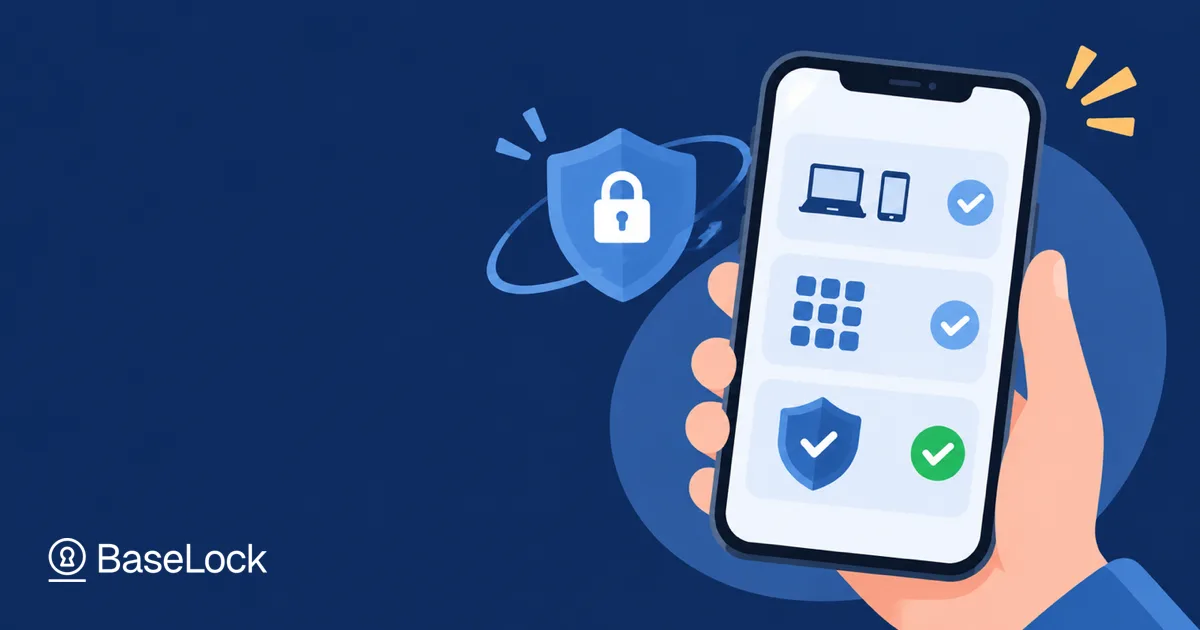
Signs worth taking seriously
- Alerts you did not cause. A new sign-in, a password reset or a changed email or phone number on your Apple, Google, bank or social media account.
- Messages you did not send. Friends tell you they got odd texts, posts or links from you.
- Codes you did not ask for. Sign-in codes arriving by text usually mean someone is trying your accounts, and is not yet in.
- Your phone suddenly has no service. If calls and texts stop and your carrier says nothing is wrong, someone may have moved your number to their SIM. Call your carrier from another phone straight away.
- Apps, profiles or settings you did not add. An app you never installed, a management profile, or a setting turned back on after you turned it off.
A slow phone, a warm battery or more ads than usual are rarely a hack on their own. Updates, old batteries and ordinary apps cause all three.
Check an iPhone in settings
- See every device signed in to your Apple Account. Open Settings, tap your name, and scroll to the list of devices. Remove any you do not recognise, then change your Apple Account password.
- Run Safety Check. Settings, Privacy & Security, Safety Check. It shows who you share location and data with and which devices and apps have access, and lets you stop it in one place. Apple explains it in its Personal Safety guide.
- Look for profiles. Settings, General, VPN & Device Management. If you see a profile you did not install and your phone is not from work or school, remove it.
- Update iOS. Settings, General, Software Update. Updates close the holes most attacks use.
- Know what a real Apple warning looks like. Apple sends threat notifications only to people it believes are targeted by spyware, by email and iMessage, and shows them at the top of the page when you sign in at account.apple.com. Apple's page on threat notifications says what they contain. A pop-up in your browser saying your iPhone is hacked is an ad or a scam, never Apple.
Check an Android phone
- Scan with Google Play Protect. Open the Play Store, tap your profile picture, then Play Protect, then Scan. Google explains it here.
- See every device on your Google Account. Run Google's Security Checkup and sign out any device you do not recognise.
- Check which apps control your phone. In Settings, search for "device admin apps" and look at Accessibility. Spy apps ask for these two permissions. Turn off and uninstall anything you did not add yourself. The names differ by phone maker.
- Remove apps you do not recognise, especially anything installed from outside the Play Store.
- Update Android in Settings, System or Software update.
What the dial codes really show
Videos say dialing *#21# or *#62# tells you whether your phone is hacked. It does not. On many networks those codes show whether your calls are being forwarded somewhere, which is useful to know, but forwarding to your own voicemail is normal, and malware does not show up there at all. On many networks, dialing ##002# turns off every forward; if it does not work on yours, ask your carrier.
If you think someone got in, do this now
- Use a different device you trust. Change the password for your Apple Account or Google Account first, then your email, then your bank. Turn on two-step verification on each.
- Sign out every other device from those accounts, using the device lists above.
- Remove what you did not add: apps, profiles, device admin apps, and any forwarding.
- Call your carrier if your service dropped, and ask them to add a number lock or a PIN for moving your number.
- Reset the phone if problems continue. Back up your photos first, erase the phone, and set it up as new rather than restoring everything, so nothing unwanted comes back. A reset does not fix a hacked account, which is why the passwords come first.
- If you think someone close to you put an app on your phone, think about your safety before removing it, because they may notice. The FTC explains how to protect your phone, and if an account was taken over, how to recover it.
Questions people ask
Can I test to see if my iPhone is hacked?
There is no single test, but the checks that matter take minutes: the device list under your name in Settings, Safety Check in Privacy & Security, and VPN & Device Management for profiles you did not add.
Does *#21# tell you if your phone is hacked?
No. On many networks it shows whether your calls are forwarded. That is worth knowing, but it does not detect spy apps or a hacked account.
Does a factory reset remove hackers?
It removes apps and settings from the phone, including most spy apps, if you set the phone up as new. It does not get anyone out of your accounts, so change your Apple or Google password and sign out other devices first.
Can a hacker see everything on your phone?
Only if they have your account password or got an app with broad permissions onto the phone. That is why checking signed-in devices and app permissions is the first step.
Why am I getting messages saying my phone has been hacked?
Pop-ups and texts that say your phone is hacked are almost always scams trying to get you to install an app, call a number or pay. Close them. Apple and Google do not warn you that way.
Not sure what you are looking at?
Text Security Advisor what happened, in your own words, or forward the message that worried you. It tells you whether it is a scam and walks you through the next steps. 14 days free, then $19.99 a month plus tax. Cancel anytime.